
Chu Lai Port implements ERP to enhance service quality and efficiency
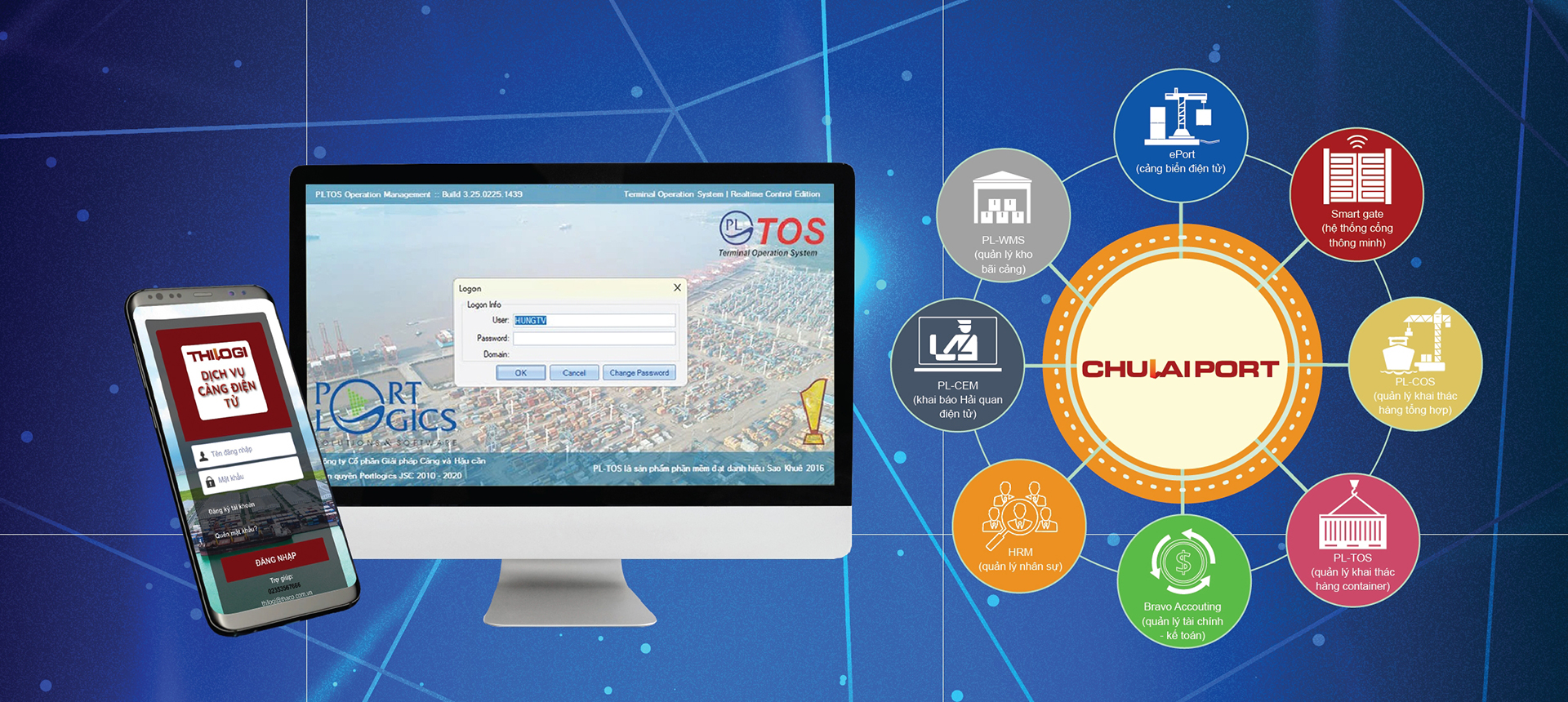
In April 2025, Chu Lai Port began implementing ERP software across its operations to connect databases and consolidate management systems. This strategic initiative aims to enhance the quality of the port's logistics services.

The ERP includes several key components, including ePort (electronic port system), Smart Gate, PL-COS (general cargo management), and an upgraded PL-TOS platform for container operations. The port is also gradually digitizing its management and operational workflows with enhanced financial and human resource software, such as Bravo Accounting and HRM.

Through ePort, all cargo registration, handling, and transaction procedures will be digitized, ensuring efficiency and data security. Customers will have real-time access to vessel schedules, cargo progress, berth layouts, and port entry timelines, improving accuracy and transparency. The digital transformation also minimizes paperwork, streamlines operations, and enables automatic online invoicing, boosting overall efficiency.

For container operations, the PL-TOS software optimizes container inspection, entry-exit procedures, and tracking. By reducing manual processes and integrating standardized workflows, the system enhances accuracy, facilitates cargo monitoring, and improves quality control.
Ms. Nguyen Thi Kim Chi, a Container Yard Manager, remarked, “Previously, many procedures had to be handled manually, consuming time and posing risks. Now, we simply operate within a software-driven process, improving efficiency, precision, and productivity.”
For bulk cargo such as wood chips, pellets, and ores, which are subject to complex customs procedures, the PL-COS enables businesses to declare shipments and track clearance timelines online, 24/7, with just a few simple steps.

Between 2025 and 2027, Chu Lai Port will continue exploring automation technologies, including automated container yards (Auto-LoLo), smart truck weighing systems (Auto Truck Weighting), and AI-integrated quay checkpoint inspections. The port also plans to leverage AI and IoT for container recognition, seal verification, document processing, and license plate identification.
Alongside technological advancements, the port is prioritizing human resource development to support digital transformation needs, building a logistics workforce that meets international standards. Other initiatives are in progress to upgrade management systems, enhance supply chain integration, and pursue sustainability objectives, establishing Chu Lai as a model green port for the future.

MORE NEWS