
Chu Lai–Da Nang infrastructure links make room for logistics growth in Central Vietnam
As global supply chains shift, Vietnam’s central key economic region has a major opportunity to establish itself as one of the country’s important logistics hubs. To make that happen, careful planning, sensible cargo allocation, and well-connected infrastructure across Da Nang’s major seaports, including Chu Lai International Port, are opening up a better environment for import-export businesses.
Preparing ahead at the region’s economic gateways
A wave of investment and growing import-export volumes are pushing central Vietnam’s maritime gateways to keep upgrading. In addition, Da Nang’s approval of the Cua Lo channel project is to serve long-term vision, aimed at handling larger container ships and expanding the economic corridor toward the sea.
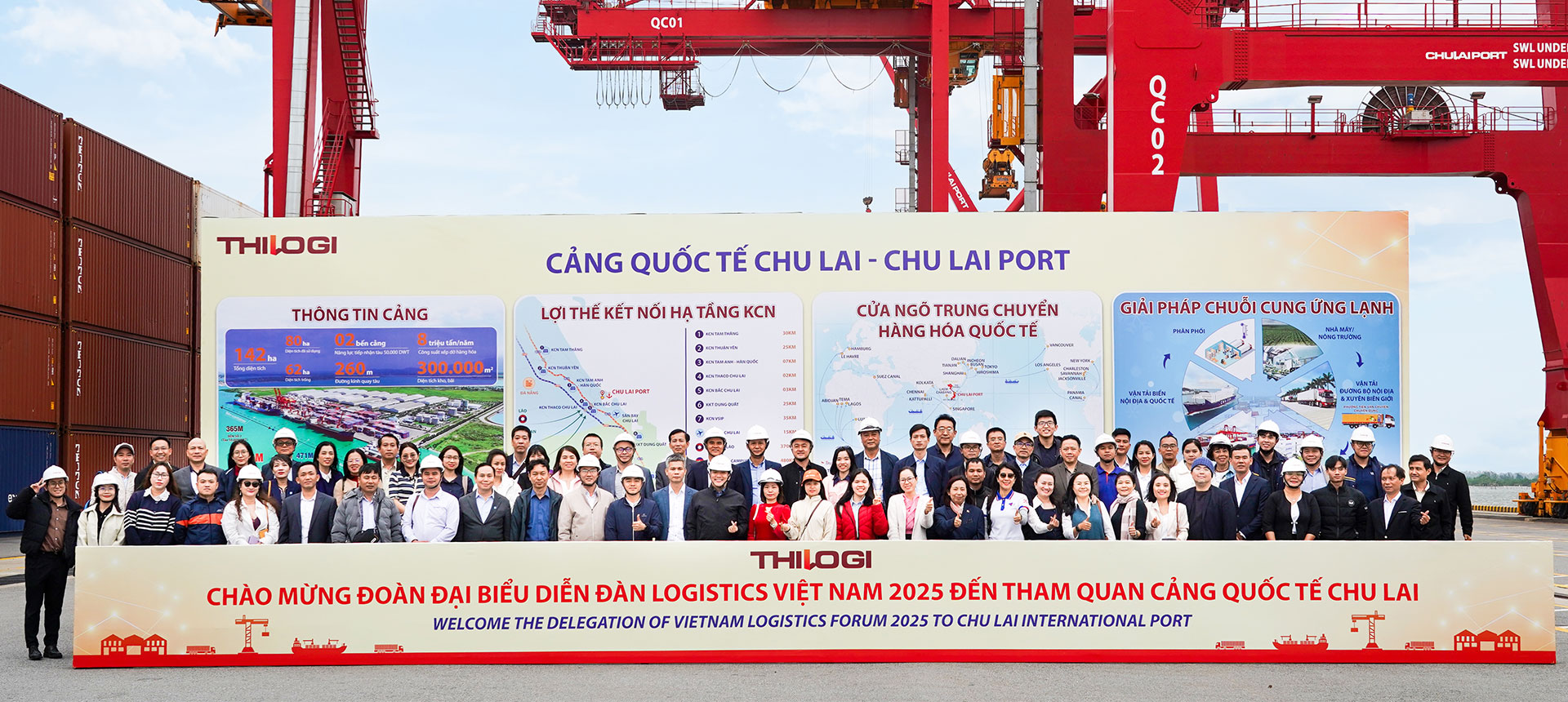
Within this trend, the complementary links between Da Nang and Chu Lai are opening up significant room for logistics across the region. Located in the heart of the central key economic region, Chu Lai International Port is an important logistics hub connecting central Vietnam, the Central Highlands, southern Laos, and northern Cambodia to international shipping routes. Chu Lai is well placed to add capacity to the region’s port system. With large tracts of land for development and convenient transport links, it is gradually taking on a bigger role in central Vietnam’s logistics network.

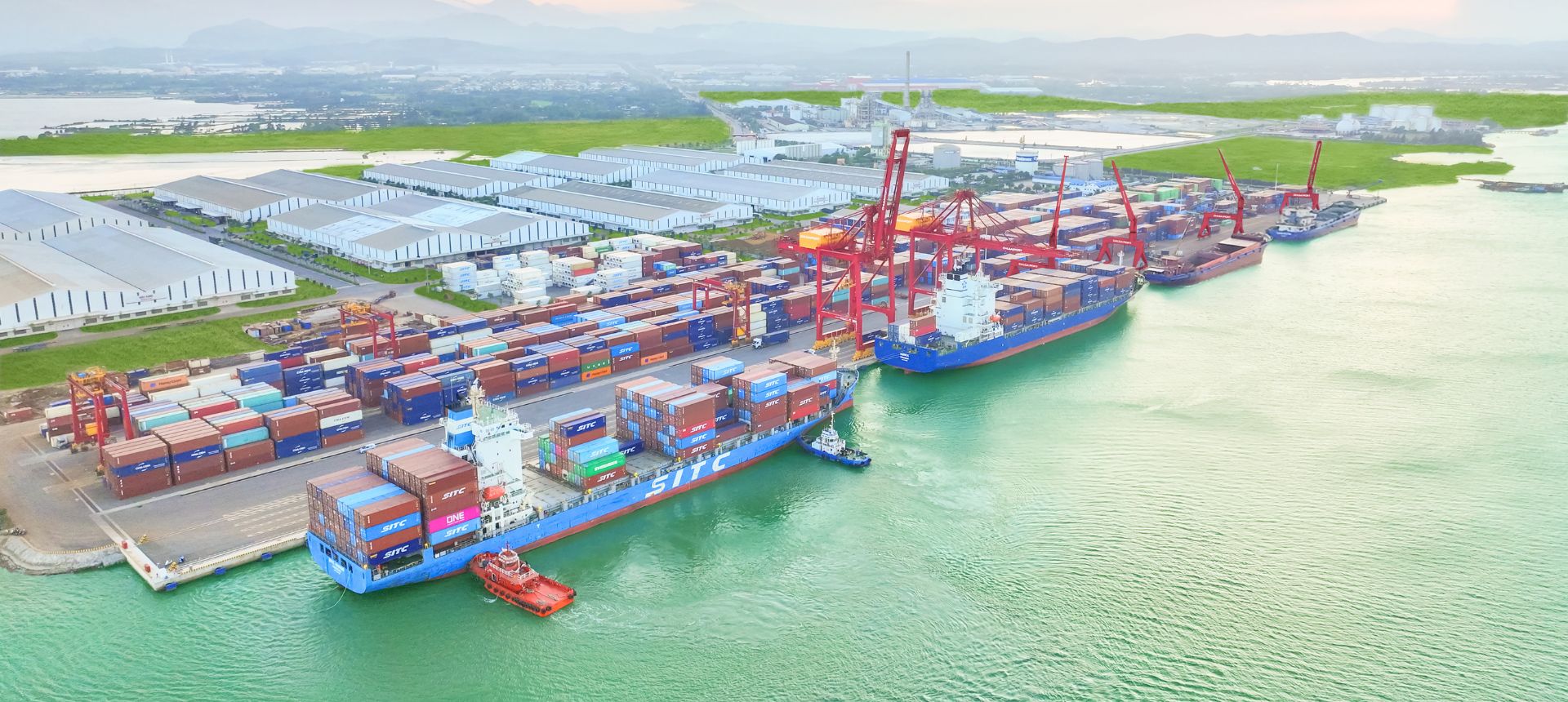
Planned and developed as an integrated logistics ecosystem, Chu Lai International Port has berths, warehouses, a logistics center, and a multimodal transport network. The port can handle cargo ships of up to 50,000 DWT and operates domestic and international routes that connect to key Asian markets.

The CNC SATURN ship leaves Chu Lai International Port, carrying cargo to international markets
A sustainable inter-regional logistics ecosystem
With well-connected infrastructure, imports and exports in central Vietnam now have more efficient routes. Large export volumes from industrial parks, the Central Highlands, and the Laos–Cambodia transit corridor can choose the shipping options that suit them best.
In this landscape, logistics infrastructure at Chu Lai is an important link in the regional supply chain, with large-scale warehouses, container yards, container loading services, customs clearance, and a fleet of qualified container and refrigerated trucks. As a result, Chu Lai International Port can serve a wide range of cargo, from industrial goods and mechanical parts to farm produce, export fruit, and refrigerated goods.

The port serves a wide range of businesses’ import-export needs
Beyond its infrastructure, Chu Lai is attracting more cargo thanks to its direct connections with industrial parks, production centers in central Vietnam, the Central Highlands, and cross-border cargo from Laos and Cambodia. This is a key foundation for stable transport routes and more frequent international shipping, while shortening shipping distance, cutting logistics costs, and enhancing competitiveness for local businesses.

Chu Lai International Port connects domestic and international shipping routes with steady frequency
Cua Lo channel in operation together with Chu Lai International Port’s improving capacity will not only raise central Vietnam’s cargo-handling capacity but also create an effective logistics network linking regional economic centers. When seaports can complement one another, central Vietnam can build a modern logistics corridor capable of handling large imports and exports and take a more significant role in regional and international supply chains.

Chu Lai International Port is becoming a logistics hub for central Vietnam, the Central Highlands, and the inter-regional logistics network

MORE NEWS